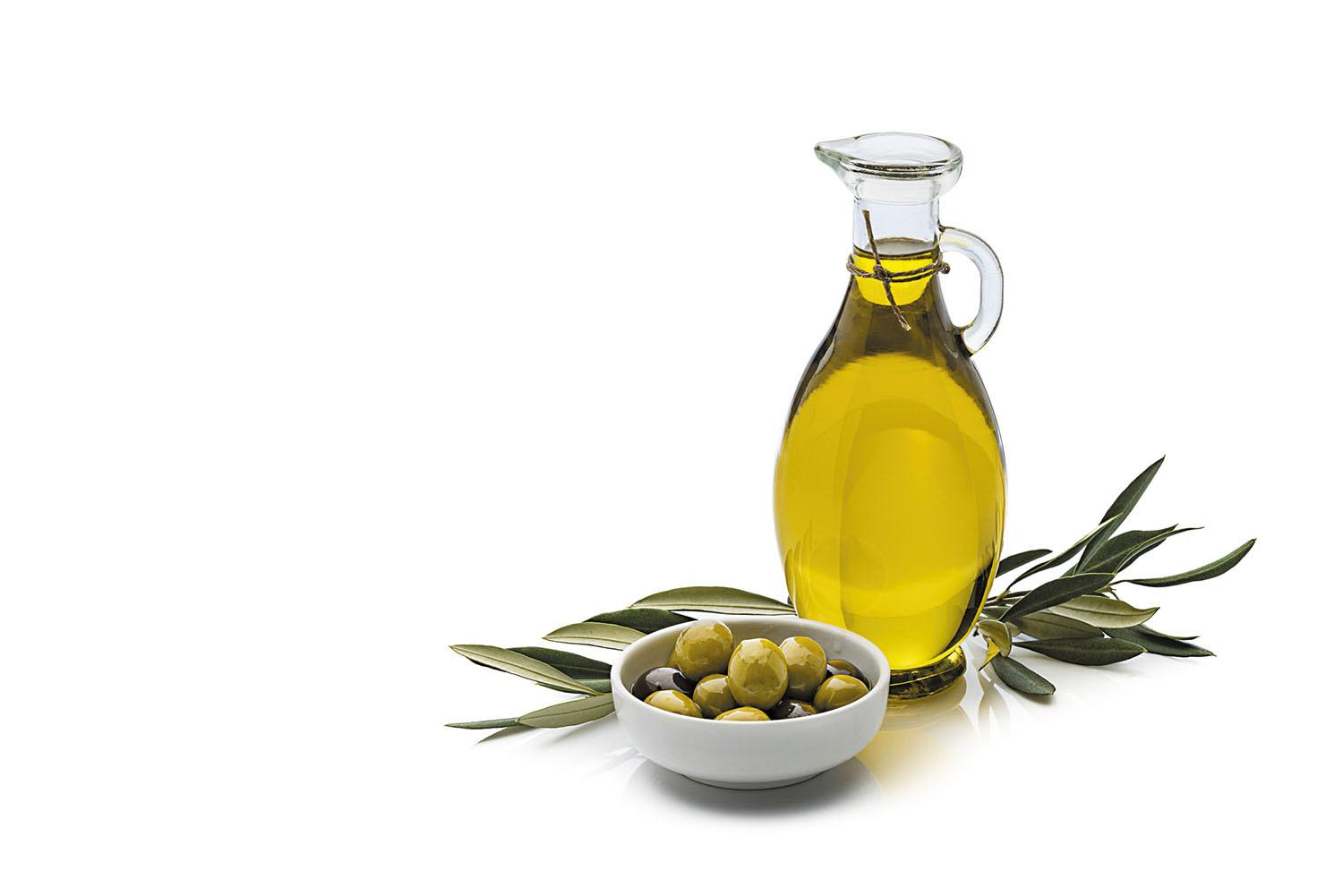
This fine liquid gold is one of the main ingredients of many dishes around the world.
Indeed, it is no surprise that when someone owns even modest olive groves, the
entrepreneurial choice of selling the oil is most certainly a winning one.
Bottling the olive oil and putting a label on it is not enough. There are some specific
requirements to bottle and sell olive oil, as well as some bureaucratic steps to follow.
Selling an enogastronomic product such as olive oil means selling an end product
that aesthetically mirrors the classic bottles of oil we usually see on the market.
It is difficult to navigate the bureaucracy when applying for authorisations for
bottling oil. It is important clarify a key factor: packaging can be done either in-house
or at oil mills. The procedure to follow for these two cases will be different. Let’s get
started!
Requirements to bottle olive oil: Legislation
The procedure to bottle olive oil follows a specific legislation, as well as some
particular requirements based on whether the oil is bottled in-house or at the oil mill.
The following requirements are necessary when the bottling is done in-house:
VAT number and the various fiscal documents (shipping certificate and
invoice)
The health authorisation of the establishment to be applied for from the local
health authority
The notice on commencement of business to be requested to the CAAT, either
on paper through the form or online through the KANA platform, which has to
be accompanied by a valid NINo
The inspection report from the Animal and Plant Health Agency (APHA)
On the other hand, when the oil is bottled at the mill, the establishment will have all
the necessary authorisations and will issue:
The packaging and labelling invoice
The storage documents
The Return Packaging form from a Deposit Account.

Local oil bottling requirements
As for the local oil bottling requirements, each company must write its own HACCP
manual on oil bottling.
The manual must include:
A descriptive part: this will contain information developed to monitor the
hygiene and healthiness of food sold to customers. It will contain a detailed
description of the product and its intended use. It will include possible hazards
associated with the processing and handling of food, as well as the premises of
the business, sanitary facilities, and storage areas. It will list the hygienic
standards in place and the critical points in the manufacturing processes to
protect the consumer.
The self-control sheets: the person in charge must draw up flow charts and
diagrams of the various food production stages together with a list of the
treatments the food has undergone, from processing to sale.

The APHA inspection
The results of the inspection are received via email or letter. Should the mill owner
want another inspection, they can do so within 14 days by asking APHA to test the
product again, for a fee of around £300 to £600. If the inspection fails at any stage
of olive oil production, including any re-test, APHA may issue a compliance notice,
which will list what is wrong, how to fix it and the time available to do so. Failure to
comply with the notice might lead to a prosecution.