
By the IL-Tec technical team — Industria di Leivi (Ultraflex Group). Last updated: 21/08/2026.
Spirits and liqueurs are both high-strength alcoholic drinks, but they are made in fundamentally different ways. Spirits are produced by distillation — physically separating alcohol from water. Liqueurs are not distilled: they are made by macerating or infusing botanicals in alcohol and then blending in sugar and flavourings. That single distinction — distilled versus blended and sweetened — explains almost everything else about how the two drinks are produced.
The difference between spirits and liqueurs
It is easy to treat the two as the same thing, but they differ on two clear parameters: how they are produced and how much sugar and alcohol they contain.
A spirit is distilled from a fermented base, giving a high, largely unsweetened alcohol content. A liqueur starts from a neutral or grape spirit, is flavoured by steeping botanicals, and is sweetened with sugar — which is why liqueurs are lower in strength and noticeably sweeter.
| Parameter | Spirits | Liqueurs |
| Production method | Distillation — physical separation of alcohol from water by evaporation | Maceration or infusion, then blending with sugar and flavourings |
| Typical strength (ABV) | From about 37.5–40% upwards, depending on the category | Minimum 15% ABV; commonly 15–55% |
| Sugar | None or minimal | Added sugar is a defining feature (min 100 g/litre under GB rules) |
| Maturation | Optional cask ageing (e.g. Scotch whisky, min 3 years in oak) | Left to rest for months to years |
| UK examples | Gin, vodka, whisky, rum, brandy | Sloe gin, cream liqueurs, herbal and fruit liqueurs |
A note on terms: in British English the sweetened drink is a liqueur, while spirit refers to the distilled product. “Liquor” is chiefly an American term for spirits and is best avoided here to prevent confusion.
How spirits are made: the distillation process
Distillation relies on the different boiling points of the two liquids: alcohol (ethanol) boils at roughly 78.4°C and water at 100°C. When the fermented liquid is heated, the alcohol and its aromatic compounds vaporise first; the vapour is then cooled and condensed back into a concentrated, flavoured liquid.
The distillation process, step by step
- Heating: the fermented base is warmed in a still.
- Evaporation: alcohol and volatile aromatic compounds turn to vapour before the water does.
- Condensation: the alcohol vapour is cooled and returned to liquid form — now concentrated and aromatic.
- Further distillation (if required): to refine strength and character, separating the unwanted heads and tails from the desirable heart of the run.
Where the alcohol comes from
In spirits, the alcohol is created by fermenting a sugar- or starch-rich raw material — grain, fruit, molasses or grapes — which is then concentrated by distillation. In liqueurs, the alcohol is usually a ready-made ethyl alcohol of agricultural origin, to which sugar and flavourings are added. In other words, most liqueur producers do not distil their own base alcohol; they build the drink on a spirit that has already been distilled.
How liqueurs are made: maceration, infusion and blending
Liqueur production brings together alcohol, sugar, flavourings and, sometimes, colour. Plant materials — fruit, herbs, spices, roots and peels — release their aromas through maceration or infusion in direct contact with the alcohol. Once the base is blended, it is left to rest for months, or even years, before bottling.
Maceration and infusion: methods and timing
Maceration means steeping botanicals in cold alcohol to draw out their aroma and character. Infusion works on the same principle but usually applies gentle heat to speed up extraction. Timing depends on the ingredient and the flavour you are after: from a few days for delicate peels and herbs to several weeks for tougher roots and spices [VERIFY: give specific steeping times only if backed by a source or an in-house recipe].
ABV and the UK rules for liqueurs
In Great Britain, spirit drinks are governed by assimilated Regulation (EC) No 110/2008 (retained EU law after Brexit); Northern Ireland instead follows Regulation (EU) 2019/787. Under the GB rules a liqueur must have a minimum strength of 15% ABV and a minimum sugar content of 100 grams per litre (lower thresholds apply to certain types, such as cherry or gentian liqueurs) [VERIFY exact sugar thresholds against the current assimilated Regulation before publishing]. Distilled spirits sit higher: most categories start at 37.5% ABV, with whisky at 40%.
Examples: how gin, vodka, whisky, rum and brandy are made
- Gin — a neutral spirit redistilled or flavoured with botanicals, in which juniper must be the predominant flavour. London Dry gin carries its own additional rules.
- Vodka — distilled from grain or potatoes and refined towards a clean, neutral character.
- Whisky — distilled from cereals and matured in oak casks. Scotch whisky must be matured for at least three years and bottled at a minimum of 40% ABV under the Scotch Whisky Regulations 2009.
- Rum — distilled from sugar cane juice or molasses.
- Brandy — distilled from wine.
- Grappa — an Italian spirit distilled from grape pomace, protected as a geographical indication.
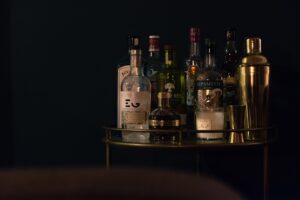
From production to bottling: IL-Tec solutions
Once distillation, maceration and maturation are complete, the final stage decides how the product reaches the shelf: accurate dosing, secure capping and a clean, stable fill. IL-Tec designs bottling and filling systems for spirits and liqueurs — fillers, cappers and filtering systems — suited to both craft producers and semi-automatic lines. If you are still at the planning stage, our guide to opening a distillery and its requirements is a useful starting point.
Frequently asked questions
What is the difference between a spirit and a liqueur?
A spirit is distilled (alcohol is physically separated from water) and is high in strength, typically from 37.5–40% ABV. A liqueur is not distilled: it is made by macerating or infusing botanicals in alcohol and blending in sugar, giving a sweeter, lower-strength drink (minimum 15% ABV in Great Britain).
What is distillation, in simple terms?
Distillation separates alcohol from water using their different boiling points: alcohol vaporises at about 78.4°C, before water at 100°C. The alcohol vapour is then cooled and condensed back into a concentrated, flavoured liquid.
What is the minimum ABV for a liqueur in the UK?
In Great Britain, a liqueur must be at least 15% ABV and contain a minimum amount of sugar (generally 100 grams per litre), under assimilated Regulation (EC) No 110/2008. Northern Ireland follows Regulation (EU) 2019/787.
How is gin made?
Gin is made from a neutral spirit that is redistilled or flavoured with botanicals, with juniper as the predominant flavour. London Dry gin must meet additional production rules.
What does maceration mean in liqueur production?
Maceration is steeping botanicals in alcohol to extract their aroma and flavour. Infusion is similar but usually uses gentle heat to speed up extraction. Steeping can take from a few days to several weeks, followed by a resting period of months or years.
What equipment is needed to bottle spirits and liqueurs?
You need fillers for accurate dosing, cappers to seal the bottles and filtering systems for a clean fill. IL-Tec supplies bottling and filling solutions for spirits and liqueurs for both craft and semi-automatic production.