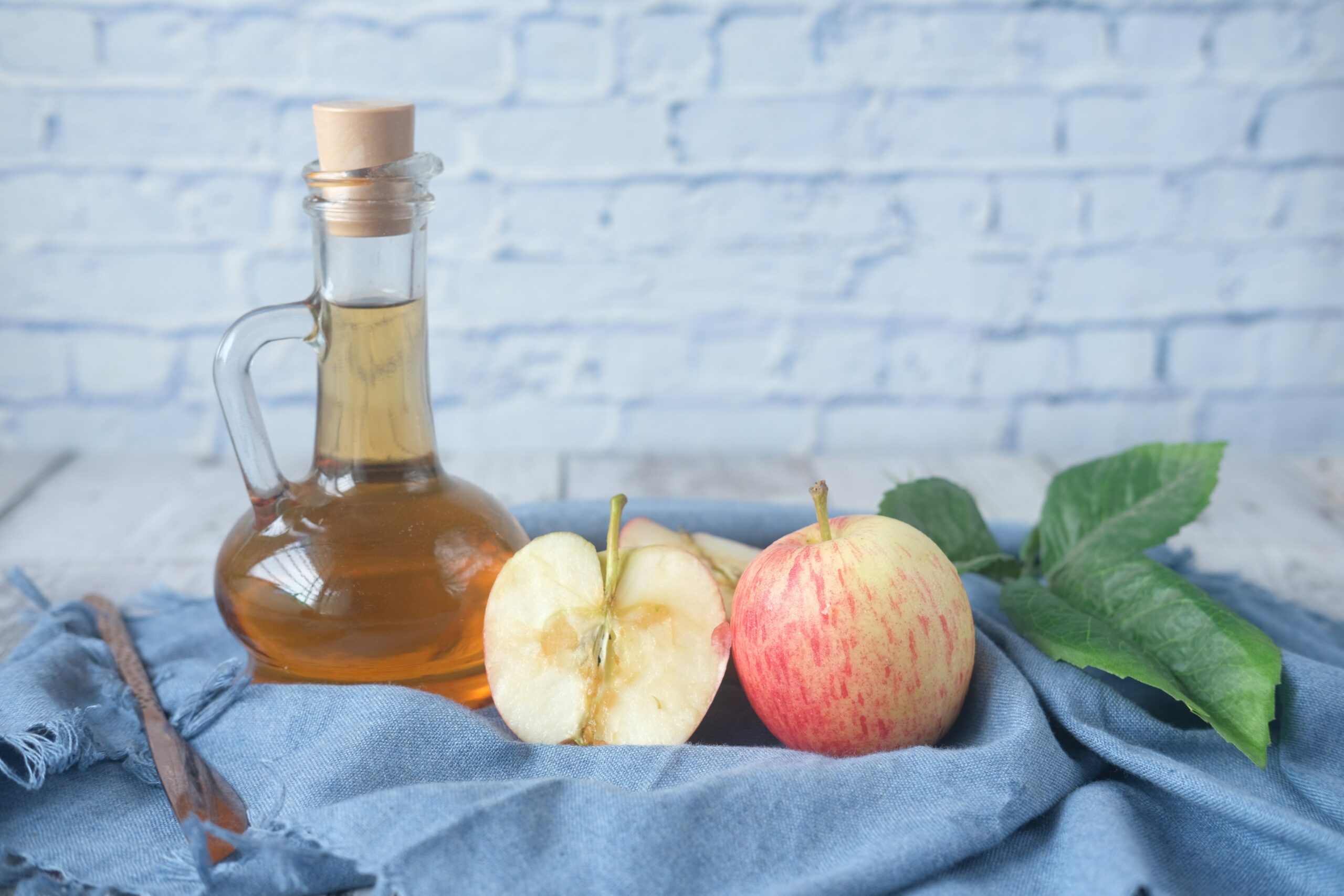
Cider is a popular beverage enjoyed by people around the world, celebrated for its crisp and refreshing taste. But what exactly is cider, and how is it made? In essence, it is a fermented drink made from apple juice. Its origins date back centuries, with historical evidence showing its production in ancient European and Middle Eastern cultures. The fermentation process transforms the natural sugars in apple juice into alcohol, giving its unique taste and characteristics.
The production begins with the selection of apples, which can range from sweet to tart varieties. These apples are pressed to extract their juice, which is then fermented using yeast. The yeast converts the sugars into alcohol, and the fermentation process can last anywhere from a few weeks to several months, depending on the desired flavor profile and type of cider being produced. From its humble beginnings as simple apple juice, cider evolves into a versatile beverage that can be tailored to suit a wide array of tastes.
Cider: How to Make It
Making cider at home can be an enjoyable and rewarding experience. While commercial production often involves sophisticated equipment, you can create your own cider with just a few basic tools and ingredients. Here’s a step-by-step guide:
- Choose Your Apples: Select a mix of sweet and tart apples for a balanced flavor. Popular varieties include Granny Smith, Honeycrisp, and Fuji.
- Wash and Press the Apples: Clean the apples thoroughly, then use a fruit press or juicer to extract the juice. For a more rustic approach, you can chop and mash the apples manually before straining the juice.
- Ferment the Juice: Transfer the juice into a sanitized fermentation vessel. Add yeast—either wild yeast or a commercial strain specifically designed for cider—and cover the vessel with an airlock to allow gases to escape while preventing contamination.
- Monitor the Fermentation: Store the vessel in a cool, dark place and let it ferment for one to three weeks. Check the specific gravity periodically using a hydrometer to track the fermentation progress.
- Rack and Bottle the Cider: Once fermentation is complete, siphon the cider into clean bottles, leaving the sediment behind. Seal the bottles and let them age for a few weeks to develop flavor complexity.

Types of Cider
Cider comes in a variety of styles, each with its own unique characteristics. From traditional to innovative varieties, there’s one for every palate.
Alcoholic
Alcoholic cider is the most common form of cider and typically contains an alcohol content ranging from 4% to 8%. Its flavor profile can vary from sweet to dry, depending on the fermentation process and the type of apples used. Popular in countries like the UK, France, and the US, alcoholic cider is often enjoyed as a refreshing drink on its own or paired with meals.
The alcoholic content is achieved during fermentation when yeast consumes the apple sugars, converting them into ethanol. The final alcohol level depends on the sugar content of the apple juice and the fermentation duration. Producers may also experiment with adding spices or other fruit flavors, such as pear or cherry, to create unique blends.
Non-Alcoholic
Non-alcoholic cider, also known as apple cider in the US, is a beverage made from fresh apple juice that hasn’t undergone fermentation. It is typically sweet and unfiltered, preserving the natural apple flavors and nutrients. Non-alcoholic cider is a popular drink during the autumn season and is often served warm with spices like cinnamon and nutmeg, making it a festive treat.
Sparkling
Sparkling cider is a carbonated version of traditional cider, offering a bubbly and effervescent drinking experience. This type can be either alcoholic or non-alcoholic.
Carbonation in sparkling cider can be achieved naturally during fermentation or added later through forced carbonation. The result is a lively drink with a refreshing texture that enhances the overall flavor. Sparkling ciders are available in a range of sweetness levels, from dry to sweet, making them versatile for various occasions.

What Do You Need to Make Cider: Equipment
To make cider at home, having the right equipment is essential for a smooth and successful process. While some tools are optional, others are necessary for ensuring the quality and safety. Here’s a list of key equipment you’ll need:
- Apple Press or Juicer: For extracting juice from the apples. Manual presses are traditional, but electric juicers can save time and effort.
- Fermentation Vessel: A glass carboy or food-grade plastic bucket with a lid and airlock is ideal for fermenting the juice.
- Yeast: Choose a cider-specific yeast or experiment with champagne or ale yeasts for different flavors.
- Hydrometer: This tool measures the sugar content of the juice and tracks the fermentation progress.
- Sanitizing Solution: Cleanliness is crucial to prevent contamination. Use a food-safe sanitizer to clean all equipment.
- Siphoning Tube: For transferring the cider from the fermentation vessel to bottles without disturbing the sediment.
- Bottles and Caps: Use sturdy glass bottles that can handle carbonation if you’re making sparkling cider.
- Thermometer: Maintaining the right temperature during fermentation is critical for achieving the desired flavor profile.
Cider Production Regulations in the UK
In the United Kingdom, cider production is regulated under several key legislative provisions to ensure quality, safety, and transparency.
- Definition of Cider: According to the Alcoholic Liquor Duties Act 1979 (Section 1), a beverage must contain at least 35% apple or pear juice (fresh or from concentrate) to be classified as cider. This requirement ensures the integrity of the product and distinguishes it from other fruit-based alcoholic drinks.
- Excise Duty: The Finance Act 2021 outlines the excise duty applicable to cider, which is calculated based on its alcohol by volume (ABV). Small-scale producers producing less than 70 hectoliters annually may qualify for reduced tax rates under the Small Producers Relief Scheme, as specified in the Alcoholic Liquor Duties Act 1979 (Schedule 2). This provision encourages traditional and artisanal cider-making practices.
- Labeling Regulations: Under the Food Information Regulations 2014 (SI 2014/1855), cider labels must clearly disclose ingredients, including allergens, and the alcohol content by volume. These rules ensure consumers receive accurate and transparent product information.
These legislative measures collectively uphold the high standards associated with British cider while supporting both large-scale manufacturers and independent craft producers.
Conclusion
Cider is a versatile and beloved beverage with a rich history and a diverse range of styles. Whether you prefer a classic alcoholic cider, a family-friendly non-alcoholic version, or a celebratory sparkling option, there is something to suit every taste. Making it at home can be a fulfilling experience, allowing you to explore various flavors and techniques.
For those interested in the commercial side, understanding the regulations, such as those in the UK, is essential for producing high-quality cider that meets industry standards.